They Said Fashion Drop Shipping Was Impossible. I Made $25k. Here’s How I Broke the “Rules.”
They Said Fashion Drop Shipping Was Impossible. I Made $25k. Here’s How I Broke the “Rules.”
The One Little-Known Strategy That Led to $25k in My Fashion Drop Shipping Store.
It’s no secret that fashion drop shipping is one of the toughest areas in the drop shipping world.
Yet, I managed to make $25,000 with a fashion drop shipping store by doing things a little bit differently. Today, I’m going to share exactly how I did it — no secrets held back.
From this experience, I’ve put together a mini fashion drop shipping blueprint that I’ll explain here. This is all completely free, with no upsells or email sign-ups. So, let’s get into it!
Please note: This content is manually written by a human for educational use and might contain affiliate links. AI is used solely for research and formatting.
This image was created using an AI image creation program.
My Store’s Success
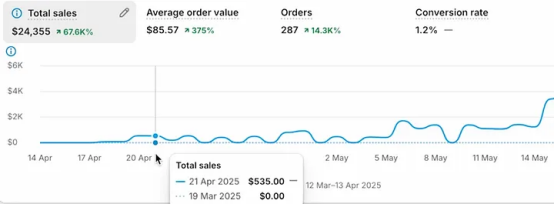
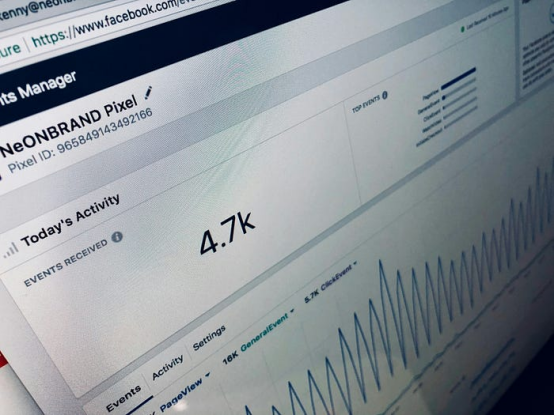
First, let’s look at the online store’s performance. Since starting this project around April 19th, the store has brought in $24,355 in revenue.
It has likely surpassed the $25,000 mark by now, which is quite an achievement.
To show you these numbers are legitimate, a quick refresh of the data confirms this. You might notice the conversion rate on Shopify isn’t always perfectly accurate, but overall, the e-commerce store showed strong promise.
It was a bit of an up-and-down journey, but we successfully scaled it. I’ll explain all the details of how this happened.
The Fashion Drop Shipping Puzzle: Hard, But Highly Rewarding
I might make it sound straightforward, but fashion drop shipping is genuinely one of the most challenging niche markets to succeed in.
However, if you master it, the rewards can be huge. You could potentially scale your business to millions in monthly revenue, sell your online store for a significant amount, or even build a lasting brand.
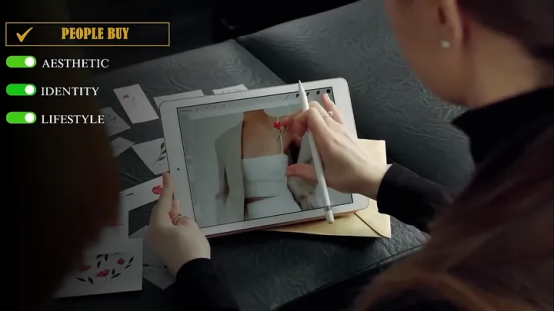
The unique thing about fashion is its emotional connection. People don’t just purchase clothes; they invest in an aesthetic, an identity, and a lifestyle.
This is why your Shopify store must feel trustworthy and aligned with the brand image you project. If it seems cheap or off-brand, customers won’t feel confident buying from you.
My sincere advice: if you’re not familiar with fashion trends or how to build a specific aesthetic, this probably isn’t the niche for you.
My Fashion Drop Shipping Blueprint
I had a clear understanding of the fashion landscape, so my core strategy involved choosing a small but high-potential target market to minimize direct competition.
Blueprint Point 1: Pinpoint Your Perfect Market
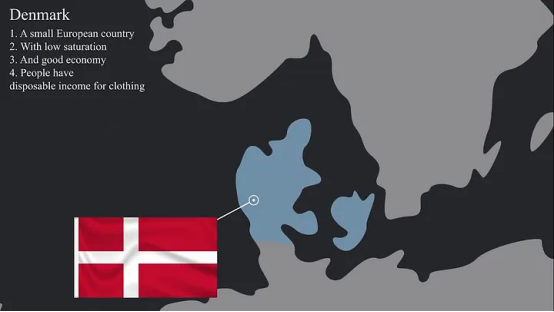
I selected Denmark, a smaller European country. This market offered lower saturation in fashion drop shipping but boasted a strong economy. This meant people there had disposable income for clothing.
Additionally, Danish fashion often features a minimalistic style, which simplified the branding process considerably.
This leads to the first key element of the fashion drop shipping blueprint:
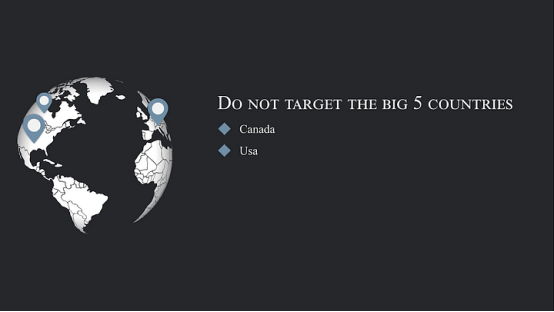
Choose a focused market. Avoid going global or targeting the “big five” countries (USA, UK, Canada, Australia, New Zealand) from the start. Fashion e-commerce is already intensely competitive.
Entering the most saturated markets right away often sets you up for disappointment. Instead, consider smaller, affluent countries in regions like Europe, or countries like Australia and New Zealand for your online business.
Blueprint Point 2: Deep Dive into Market Research
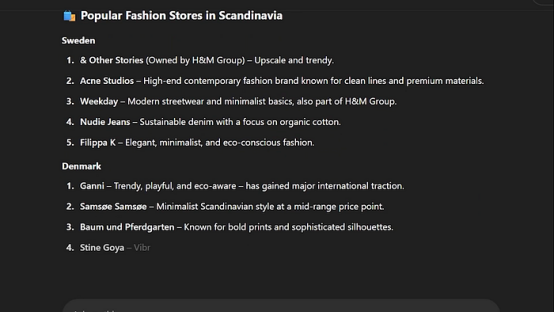
After settling on Denmark, I did thorough market research. I used tools like ChatGPT, asking questions such as, “What are the most popular fashion stores in Scandinavia?” and “Who are the leading fashion influencers in Scandinavia?”
I then studied their styles and online presence. The vibe was precisely what I anticipated: neutral color palettes, clean lines, and an emphasis on minimalism. This research was crucial in shaping the brand I developed.
Every country possesses its own distinct style. For instance, fashion in Korea differs significantly from fashion in France. Therefore, in-depth market research is absolutely essential.
This is the second crucial part of the blueprint:
Thoroughly study your target market’s style. If you neglect this and begin product testing randomly, you should be prepared to lose your investment.
Interestingly, fashion drop shipping can be one of the less complicated methods if approached correctly. You don’t require an overly technical website.
Most clothing items use very brief descriptions. With the right concept and the ideal market, you can achieve significant financial success in this e-commerce niche.
Crafting a Winning Brand
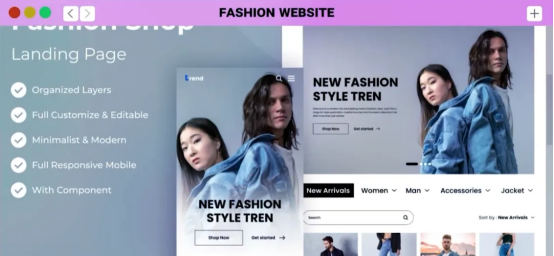
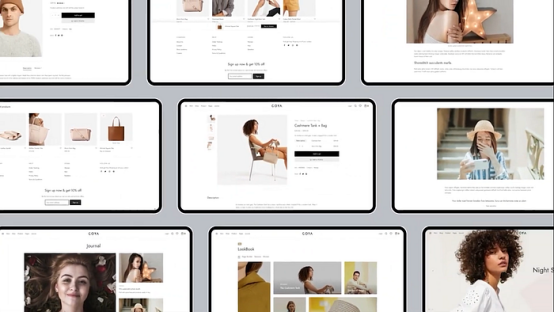
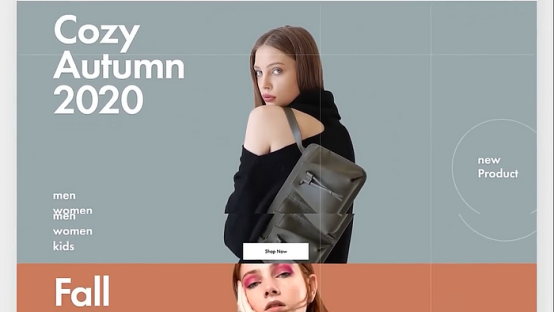
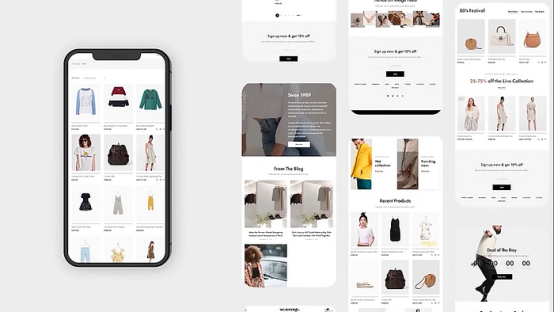
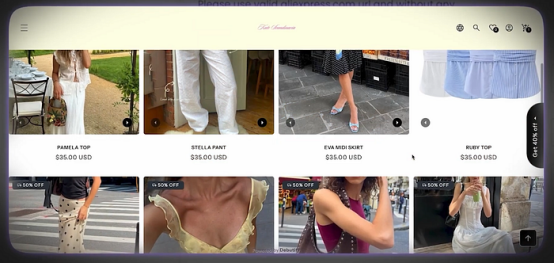
With this knowledge, I created a Shopify store with a clean, boutique-style feel. I tailored the collection with a focus on spring styles.
I ensured all product images were cohesive, selected aesthetically pleasing fonts, and cultivated an overall premium atmosphere.
I wasn’t merely selling clothes; I was selling an entire look. This is the mindset you must adopt for your brand.
Making Ads That Click
Now, let’s discuss advertising strategies.
Initially, I experimented with catalog ads, which were a complete flop. Next, I tried standard image ads, and these performed much better.
However, the most effective approach for me involved creating TikTok-style videos showcasing girls wearing the outfits — a form of user-generated content (UGC).
.
Advertising Tip: Keep it Simple and Real
Don’t overcomplicate your advertisements. Use clean, clear photos or simple UGC.
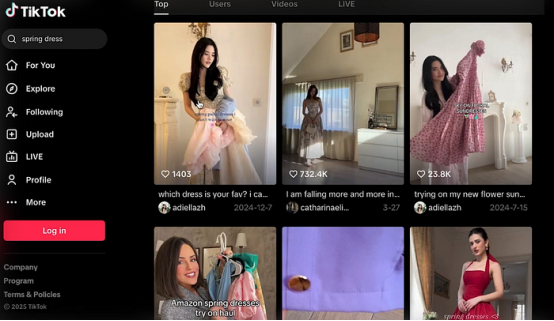
Customers primarily want to see how the clothes look in a real-life context. You’ve likely seen countless outfit videos on platforms like TikTok.
A quick search for “spring dress,” for example, will yield numerous videos of individuals simply displaying their outfits.
The Star of the Show: My Winning Product
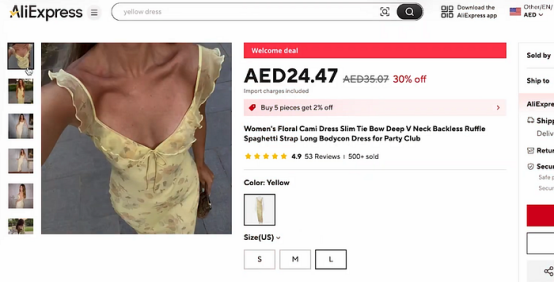
Alright, it’s time to reveal my top-performing winning product. It was a specific dress. This item kickstarted everything.
The image I used for my image ads was very simple — just a natural, everyday-looking photo. It resembled the kind of picture someone might share on their social media.
I believe this authenticity is precisely why it was so effective. It didn’t scream “advertisement” or feel like a hard sell; it simply showed someone looking great in a dress.
This particular dress was minimalist, feminine, and perfectly aligned with the Scandinavian aesthetic I was targeting. It outsold every other item in my online store.
Consequently, I pivoted my entire e-commerce store to specialize as a niche dress boutique.
Key Lesson: Double Down on What Works
Don’t feel pressured to offer excessive variety. When you find a winning product that resonates with customers and sells well, concentrate your efforts on it.
Smart Moves: My Hyper-Testing Ad Strategy
Let me share the “hyper-testing” ad strategy that helped me identify three additional winning dresses.
I would test three new products each day, allocating a $50 ad budget to each. If a product spent over $20 without generating sales, I would cut the ad campaign.
This approach allowed me to test up to 10 products with an investment of only $200. I quickly identified areas of demand and then scaled up the campaigns for the best-performing items.
While this might sound complex, online advertising can often be more straightforward than you’d expect. Understanding advertising mechanics is crucial, and sometimes seeking guidance can be very beneficial when you’re starting in drop shipping.
Boosting Your Bottom Line
While I started making sales, my profit margins were initially tight. After spending $1,000 on ads, I had barely broken even.
So, what changes did I make? I increased my prices. The dress that was previously $40 became $65.
Surprisingly, the conversion rate (the percentage of visitors who made a purchase) barely dropped, but my profit per sale nearly doubled!
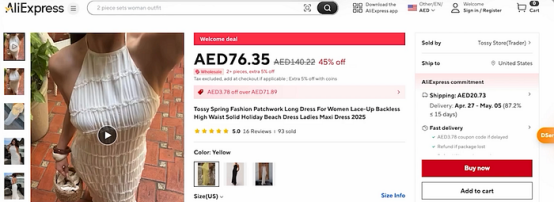
I also introduced a gift offer to encourage a higher average order value (AOV). I sourced a cute, inexpensive tote bag from AliExpress and ran a promotion: “Buy two dresses and get a free tote bag.”
This was ideal for the summer season, as people often use tote bags for the beach, and customers loved the offer.
Profit Tip 1: Don’t Hesitate to Adjust Your Prices
If you’re providing good value and a desirable product, don’t be afraid to price your items appropriately to achieve healthy profit margins.
Profit Tip 2: Get Creative with Your Offers
Think outside the box with promotions to increase perceived value and encourage larger purchases. This is a must if you want to stand out in e-commerce.
Common Fashion Drop Shipping Challenges
Now, let’s address the difficulties, because my sales dashboard definitely resembled a roller coaster at times, particularly in the early stages of my e-commerce journey.
Challenge 1: Stock Management
My first major issue was managing inventory. Because my products were trendy items, they sold out very quickly, especially in common sizes.
This wasn’t just an issue for my online store; it affected availability on AliExpress and with other suppliers.
I found myself frequently pausing and restarting my Shopify store based on supplier stock levels because I was anxious about running out of products. There were moments I considered giving up, but I persevered.
Challenge 2: Handling Customer Returns
Fashion e-commerce is known for having one of the highest customer return rates. Customers can be particular: the fabric might not feel right, the sizing could be inaccurate, or the item simply might not fit as expected.
I experienced a few returns — nothing overwhelming — but I’m aware that if I were to scale my business to much higher volumes, the number of returns would significantly increase.
To help reduce the impact of returns, I recommend offering store credits instead of cash refunds where appropriate.
Crucial Advice: Always Test Product Quality
One last, very important point: test the product quality of your items thoroughly. Order samples and have friends or family try them on.
Verify that the sizing is accurate and that the fabric quality is good. Attempting to scale with low-quality products will inevitably lead to a nightmare of refunds and chargebacks.
The Bottom Line
In total, the online store generated around $25,000 in revenue. However, let’s be transparent about the actual profits.
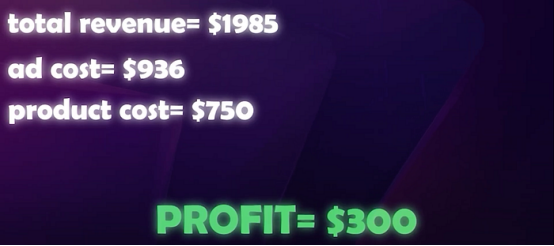
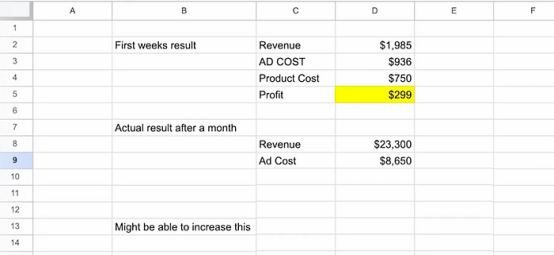
A few weeks into the project, the revenue was nearly $2,000.
Ad Costs: Almost $1,000
Product Costs: $750
Profit: Approximately $300 (which was very low)
Here’s a look at the improved results after nearly a month of operations:
Total Revenue: Roughly $23,300
Total Ad Cost: Approximately $8,650
Total Product Cost: Approximately $8,970
Approximate Profit: $5,680
This equates to a profit margin of around 20%. For an online store that was just getting started and had only been running for a month, I believe these figures are quite promising.
It’s also worth noting that I hadn’t yet sourced from private suppliers or negotiated better product pricing, which could have significantly increased the profits.\
My Journey’s End and Key Takeaways for You
I don’t plan to continue with this particular drop shipping store. This venture was primarily undertaken as a challenge, and I already have an established brand and other personal projects that require my focus.
While I genuinely enjoyed the process, I recognize that this niche market involves numerous challenges that I’m not sure I want to manage at this moment, given my existing commitments.
For those of you considering venturing into fashion drop shipping, I sincerely hope you’ve gained some valuable insights from my e-commerce journey.